
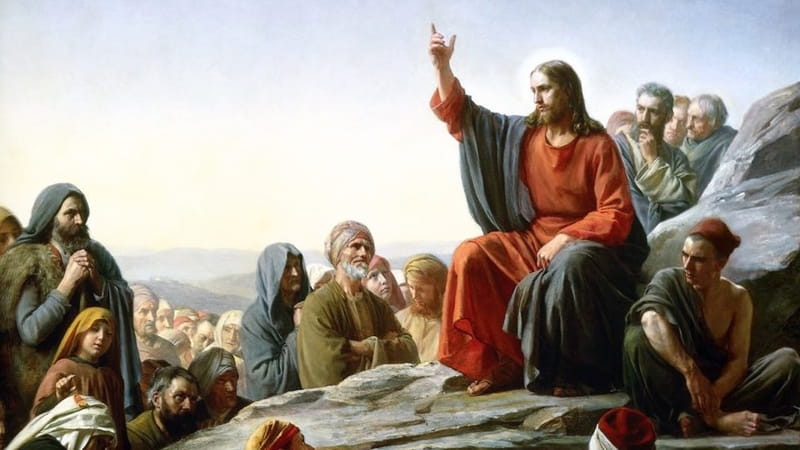
January 24 - Matthew 5-7
Matthew 5-7 records a sermon Jesus preached often referred to as “the Sermon on the Mount.” The theme of Jesus’ sermon is “true righteousness.” It is the manifesto of the Kingdom of Heaven. It explains true discipleship and what full devotion to Christ looks like.
Jesus doesn’t begin His sermon with commands, but with blessings. We know the first section as “The Beatitudes.” The Greek word makarios means “deeply happy, fulfilled, favored by God.” The eight qualities listed in the Beatitudes describe the inner transformation of a converted heart. The Beatitudes are not a list of spiritual achievements; they describe the fruit of a heart that has been regenerated by the Holy Spirit.
After describing character, Jesus describes influence. We are salt and light. Salt preserves and flavors. Christians are called to preserve moral truth and bring spiritual flavor to the culture. But salt that loses its savor is useless. Light exposes darkness and reveals truth. We need to let our light shine so that the world can see our good works and glorify our Father.
In Matthew 6:9-13, Jesus taught His disciples about prayer. There are seven elements of prayer in Jesus’ model for prayer: Acknowledgement, adoration, submission, provision, pardon, protection, and doxology. This prayer should shape our worship and devotion to God. Prayer aligns our hearts with God’s purposes, not our desires. Matthew 6:33 is a key verse in Jesus’ sermon: But seek first the kingdom of God and His righteousness, and all these things shall be added to you. When the Kingdom comes first, everything else falls into its rightful place.
Jesus closed His sermon with four solemn contrasts. There are two gates (7:13-14), two trees (7:15-20), two professions (7:21-23), two builders (7:24-27). Every person must choose. The Sermon on the Mount begins with blessing and ends with Judgment. Jesus calls us not to just admire His words, but to fully obey them.