
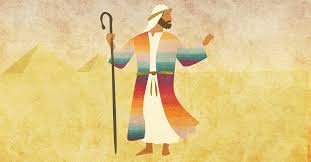
March 23 - Genesis 44-47
Genesis 45 is one of the most emotionally powerful chapters in the book of Genesis. After years of separation, suffering, and hidden identity, Joseph finally reveals himself to the brothers who had betrayed him. The chapter highlights themes of forgiveness, divine providence, reconciliation, and God’s sovereign plan for preserving His covenant people. What appears to be a dramatic family reunion is actually a theological revelation: God was working through human sin and suffering to accomplish His purposes.
The chapter begins with Joseph reaching the emotional limit of concealment. For several chapters Joseph has tested his brothers to see if their hearts had changed since they sold him into slavery. After witnessing Judah’s willingness to sacrifice himself for Benjamin in Genesis 44, Joseph recognizes genuine repentance in his brothers.
Genesis 45:1 says, “Then Joseph could not restrain himself before all those who stood by him, and he cried out, ‘Make everyone go out from me!’” Joseph removes the Egyptian attendants from the room, ensuring that the moment of revelation remains a family matter. Overcome with emotion, he weeps so loudly that the sound reaches Pharaoh’s household.
Joseph then declares the words that must have struck terror and disbelief into his brothers: “I am Joseph; does my father still live?” (Genesis 45:3). The brothers are described as being troubled or dismayed. Their shock is understandable. The brother they had sold into slavery twenty years earlier now stood before them as the powerful ruler of Egypt who had authority over their lives.
Seeing their fear, Joseph immediately reassures them. Instead of expressing anger or revenge, he calls them closer and repeats his identity: “I am Joseph your brother, whom you sold into Egypt” (Genesis 45:4). Joseph does not deny their wrongdoing, but he reframes it through the lens of God’s providence.
Joseph explains one of the most profound theological statements in the Old Testament: “But now, do not therefore be grieved or angry with yourselves because you sold me here; for God sent me before you to preserve life” (Genesis 45:5). This statement reveals Joseph’s understanding that God’s sovereign purposes were working even through human sin.
Joseph repeats this idea multiple times in the passage. In verse 7 he says, “God sent me before you to preserve a posterity for you in the earth, and to save your lives by a great deliverance.” Then in verse 8 he summarizes: “So now it was not you who sent me here, but God.” Joseph is not excusing their sin, but he recognizes that God was directing events for a greater purpose.
This perspective demonstrates Joseph’s spiritual maturity. Instead of viewing his life through the lens of betrayal, slavery, and imprisonment, Joseph interprets his experiences as part of God’s eternal plan.
Joseph explains that the famine affecting the region will continue for five more years. Without divine intervention, Jacob’s family would eventually perish. God placed Joseph in Egypt ahead of time so he could store grain and become the instrument through which the family would survive.
Joseph instructs his brothers to return quickly to Canaan and bring their father Jacob and the entire family to Egypt. He promises to provide for them in the land of Goshen, one of the most fertile areas of Egypt. In verse 11 Joseph says, “There I will provide for you, lest you and your household, and all that you have, come to poverty.”
This invitation is more than a practical solution to famine. It also fulfills God’s larger covenant plan. The relocation of Jacob’s family to Egypt sets the stage for the growth of the nation of Israel, which will eventually lead to the events described in the book of Exodus.
Joseph continues reassuring his brothers that his forgiveness is genuine. He reminds them that they can see with their own eyes that it is truly him speaking. Joseph instructs them to bring Jacob quickly so that he may see his son again.
The emotional climax of the chapter occurs in verses 14–15. Joseph embraces Benjamin and weeps on his neck. Then he kisses all his brothers and weeps over them. Only after this moment of reconciliation do the brothers finally begin to speak with him.
This scene demonstrates the power of forgiveness. Joseph had every reason, from a human standpoint, to seek revenge. Instead, he chose reconciliation. The broken relationship between Joseph and his brothers is restored through grace.
When Pharaoh hears about Joseph’s family, he responds with generosity and kindness. Pharaoh invites Joseph’s relatives to settle in Egypt and promises them the best of the land. Wagons, provisions, and gifts are provided for the journey to bring Jacob and his household to Egypt. Joseph gives his brothers supplies and new garments. Benjamin receives special gifts, including five changes of clothing and three hundred pieces of silver. Before sending them away Joseph gives a final instruction in verse 24: “See that you do not become troubled along the way.” This statement likely reflects Joseph’s awareness that the brothers might begin blaming one another for their past actions.
When the brothers arrive in Canaan and tell Jacob that Joseph is still alive and ruling in Egypt, Jacob initially cannot believe the report. However, when he sees the wagons sent by Pharaoh, his spirit revives. Jacob finally declares in verse 28, “It is enough. Joseph my son is still alive. I will go and see him before I die.”
Genesis 45 teaches several key theological truths. First, it reveals the sovereignty of God. Joseph’s life demonstrates that God can use even painful circumstances and human sin to accomplish His purposes. What the brothers intended for evil, God used for good.
Second, the chapter highlights the power of forgiveness and reconciliation. Joseph’s willingness to forgive his brothers restores the family and allows God’s covenant promises to continue through the line of Jacob.
Finally, Genesis 45 foreshadows themes later fulfilled in the gospel. Joseph, the rejected brother who later becomes the savior of his family, provides a striking picture of redemption. Just as Joseph preserved physical life during the famine, the greater deliverer, Jesus Christ, provides eternal salvation for those who come to Him.
In this way Genesis 45 stands as a powerful testimony to God’s providence, grace, and redemptive plan working through the events of human history.