
March 28 - Mark 3-4
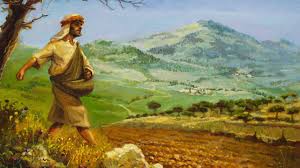
In Mark 4:1–20, Jesus presents one of His most well-known teachings, the Parable of the Sower, which reveals profound truths about how people respond to the Word of God. This passage not only describes different spiritual conditions of the human heart but also explains why the message of the kingdom produces different results in different lives.
The seed in the parable represents the Word of God (Mark 4:14). The sower represents anyone who proclaims God’s Word. The primary emphasis of the parable is not on the sower or the seed, but on the condition of the soil, which symbolizes the condition of the human heart.
The first soil is the wayside, where the seed falls on hardened ground. Because the soil is packed down, the seed cannot penetrate the surface. Birds quickly come and devour it. Jesus explains that this represents people who hear the Word but do not understand or receive it. Satan immediately takes away the truth before it can take root in their hearts. These are individuals whose hearts are hardened toward God. The message may reach their ears, but it never penetrates their lives.
The second soil is the stony ground. In this case, the seed quickly springs up because the soil is shallow, but it has no deep roots. When the sun rises and the heat intensifies, the plant withers away. Jesus explains that this represents those who initially receive the Word with joy but have no depth of commitment. When trials, persecution, or hardship arise because of their faith, they quickly fall away. Their response to the gospel is emotional but not genuine or enduring.
The third soil is the thorny ground, where the seed begins to grow but is eventually choked by thorns. Jesus identifies these thorns as the cares of this world, the deceitfulness of riches, and the desires for other things. These distractions suffocate the spiritual life and prevent the Word from producing fruit. This describes people who hear the Word and perhaps even begin to follow it, but their hearts remain divided. Worldly concerns gradually crowd out their devotion to God.
The final soil is the good ground, which represents those who hear the Word, accept it, and allow it to produce fruit in their lives. Unlike the other soils, this heart is receptive, humble, and prepared. The result is spiritual fruitfulness: some thirtyfold, some sixty, and some a hundredfold. This illustrates that genuine faith produces visible evidence in a believer’s life. While the amount of fruit may vary, the presence of fruit demonstrates that the Word has truly taken root.
An important theme in this passage is spiritual hearing. Jesus repeatedly emphasizes the importance of listening carefully to God’s message. In verse 9 He declares, “He who has ears to hear, let him hear!” Later He explains to His disciples that the mysteries of the kingdom of God are revealed to those who genuinely seek understanding. The difference between fruitful and fruitless hearing is not the clarity of the message but the receptivity of the heart.
This parable also explains why Jesus often taught in parables. Those who sincerely desired truth would seek the deeper meaning and receive understanding, while those with hardened hearts would hear only a story without grasping its spiritual significance. Thus, the parable both reveals truth to believers and conceals it from those unwilling to respond.
Every listener should examine the condition of their own heart. The same seed is sown, but the outcome depends on the soil that receives it. A hardened heart rejects the Word, a shallow heart abandons it under pressure, and a distracted heart allows worldly concerns to choke it. Only the receptive heart allows God’s truth to grow and produce lasting spiritual fruit.
For believers today, the message is clear: the Word of God must not only be heard but also received, nurtured, and obeyed. When the heart is prepared through humility, repentance, and faith, the gospel produces transformation and fruitfulness for the glory of God.