
May 25 - Exodus 29-32
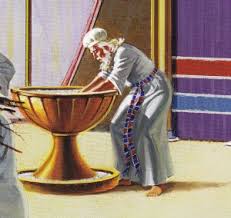
Then the LORD spoke to Moses, saying: 18 “You shall also make a laver of bronze, with its base also of bronze, for washing. You shall put it between the tabernacle of meeting and the altar. And you shall put water in it, 19 for Aaron and his sons shall wash their hands and their feet in water from it. 20 When they go into the tabernacle of meeting, or when they come near the altar to minister, to burn an offering made by fire to the LORD, they shall wash with water, lest they die. 21 So they shall wash their hands and their feet, lest they die. And it shall be a statute forever to them—to him and his descendants throughout their generations.” (Exodus 30:17-21)
The priests were commanded to wash their hands and feet before entering the tabernacle or ministering at the altar. This passage may appear at first to focus only on ceremonial cleansing, but it contains deep spiritual truths about holiness, obedience, and approaching God with reverence.
The passage begins with God commanding Moses to make a laver of bronze for washing. Aaron and his sons, who served as priests, were required to wash with water before performing their priestly duties. Failure to obey this command would result in death. This demonstrates the seriousness of entering the presence of a holy God. The priests could not approach God carelessly or casually. Even though they had already been chosen and consecrated for service, continual cleansing was still necessary.
The laver symbolized purification from defilement. In the wilderness, the priests walked through dusty ground daily, causing their hands and feet to become dirty. Before ministering, they needed cleansing. Spiritually, this reflects the believer’s need for continual cleansing from the contamination of sin while living in a fallen world. Salvation brings a person into relationship with God, but daily confession and spiritual renewal are still necessary for fellowship with Him.
This passage also reveals the holiness of God. God is perfectly pure, and those who serve Him must recognize His holiness. The command to wash was not optional or symbolic only; it was a divine requirement. Throughout Scripture, holiness is consistently connected with approaching God. The laver reminded Israel that sin separates humanity from God and that purification is required for worship and service.
The bronze laver also points forward to the ministry of Jesus Christ. In the New Testament, Christ provides the cleansing that believers need through His sacrifice. Water is often associated with spiritual cleansing in Scripture. Jesus told His disciples that they were cleansed through His word, and the apostle Paul spoke of the “washing of water by the word.” Just as the priests washed before ministering, Christians are called to continual spiritual cleansing through repentance, prayer, and the study of God’s Word.
Another important lesson in this passage is obedience. God gave exact instructions, and the priests were expected to follow them carefully. Their ministry depended upon obedience to God’s commands. This teaches believers today that worship should not be approached according to personal preference alone but according to God’s will. Reverence, humility, and obedience remain essential in serving the Lord.
Finally, Exodus 30:17–21 teaches that God desires purity among His people. The washing at the laver was an outward act that represented an inward need. God was not merely concerned with ritual cleanliness but with hearts devoted to Him. The passage reminds believers that spiritual purity is necessary for effective service and fellowship with God. Through Christ, believers can approach God confidently, yet they must still seek daily cleansing and live lives marked by holiness and obedience.