
October 25 - James 1-3
FOCUS PASSAGE: James 1:21-27
The word religion often carries negative connotations in today's culture. Many associate it with rituals, traditions, or outward appearances that lack genuine faith. However, James gives a very different definition of true religion. He explains that authentic Christianity is not measured merely by what a person professes but by how God's Word transforms the heart and is expressed through daily living. James describes "pure and undefiled religion" as a life marked by obedience, compassion, and personal holiness.
James begins by urging believers to prepare their hearts to receive God's truth: "Therefore lay aside all filthiness and overflow of wickedness, and receive with meekness the implanted word, which is able to save your souls" (James 1:21). Before God's Word can produce fruit, sin must be confessed and put away. A proud heart resists Scripture, but a humble heart welcomes it. The Word of God is not merely information to be studied; it is divine truth implanted in the believer's heart, producing spiritual growth and maturity.
James then issues one of the strongest challenges in the New Testament: "But be doers of the word, and not hearers only, deceiving yourselves" (v. 22). Listening to sermons, attending church, and reading the Bible are essential, but they are incomplete unless they result in obedience. James compares the hearer who fails to obey to a man who looks into a mirror and immediately forgets what he has seen. God's Word reveals our spiritual condition, but its purpose is not simply self-examination, it is life transformation. Genuine faith always produces obedient action.
The apostle also emphasizes the importance of controlling one's speech. "If anyone among you thinks he is religious, and does not bridle his tongue but deceives his own heart, this one's religion is useless" (v. 26). Our words reveal the true condition of our hearts. A believer who constantly speaks in anger, gossip, or deceit undermines any claim of spiritual maturity. A disciplined tongue is evidence that Christ is ruling the heart.
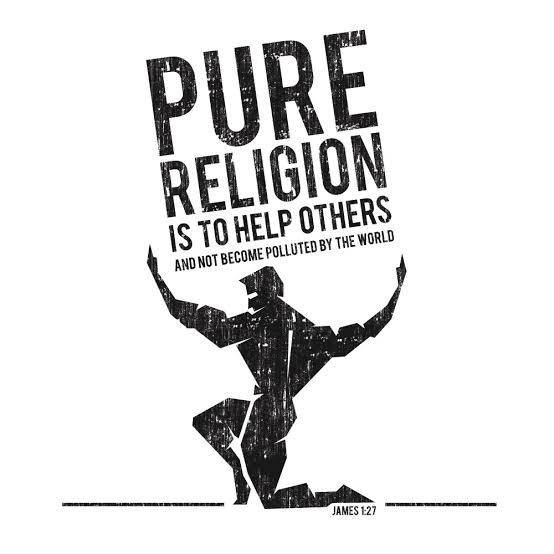
Finally, James defines pure religion in practical terms: "Pure and undefiled religion before God and the Father is this: to visit orphans and widows in their trouble, and to keep oneself unspotted from the world" (v. 27). True Christianity demonstrates compassion toward those who are helpless and vulnerable. Throughout Scripture, God shows special concern for widows, orphans, and the needy. His people are called to reflect His compassionate heart through loving service.
At the same time, pure religion requires personal holiness. Believers must remain "unspotted from the world," resisting the sinful values and influences of a fallen culture. Compassion without holiness becomes compromise, while holiness without compassion becomes empty legalism. Biblical Christianity embraces both.
James reminds us that God is not impressed by religious performance alone. He desires transformed hearts that produce obedient lives, gracious speech, loving service, and holy conduct. Pure religion is Christianity lived out daily under the lordship of Jesus Christ, bringing glory to God through both faith and faithful action.